Postpartum Recovery in Central Indiana
You were probably told this is just what happens after having a baby. It isn't. Diastasis recti, pelvic floor weakness, scar tissue, and pain that will not let up are common after delivery, but common does not mean permanent. One evaluation, scheduled around your baby's routine, shows you exactly what is going on and exactly what it takes to feel like yourself again.
What causes pain and dysfunction after childbirth?
Nobody warns you how much pregnancy and delivery ask of your core and pelvic floor, or how often the body does not just bounce back once the baby arrives. Abdominal muscles stretch and separate. The pelvic floor absorbs the full load of labor or a C-section incision. Scar tissue forms as the wound heals. Left unaddressed, these changes turn into pain, leaking, or a core that never quite feels like yours again. None of that means something is wrong with you. It means something specific is going on, and finding which piece is driving your symptoms is the first step to actually resolving them.
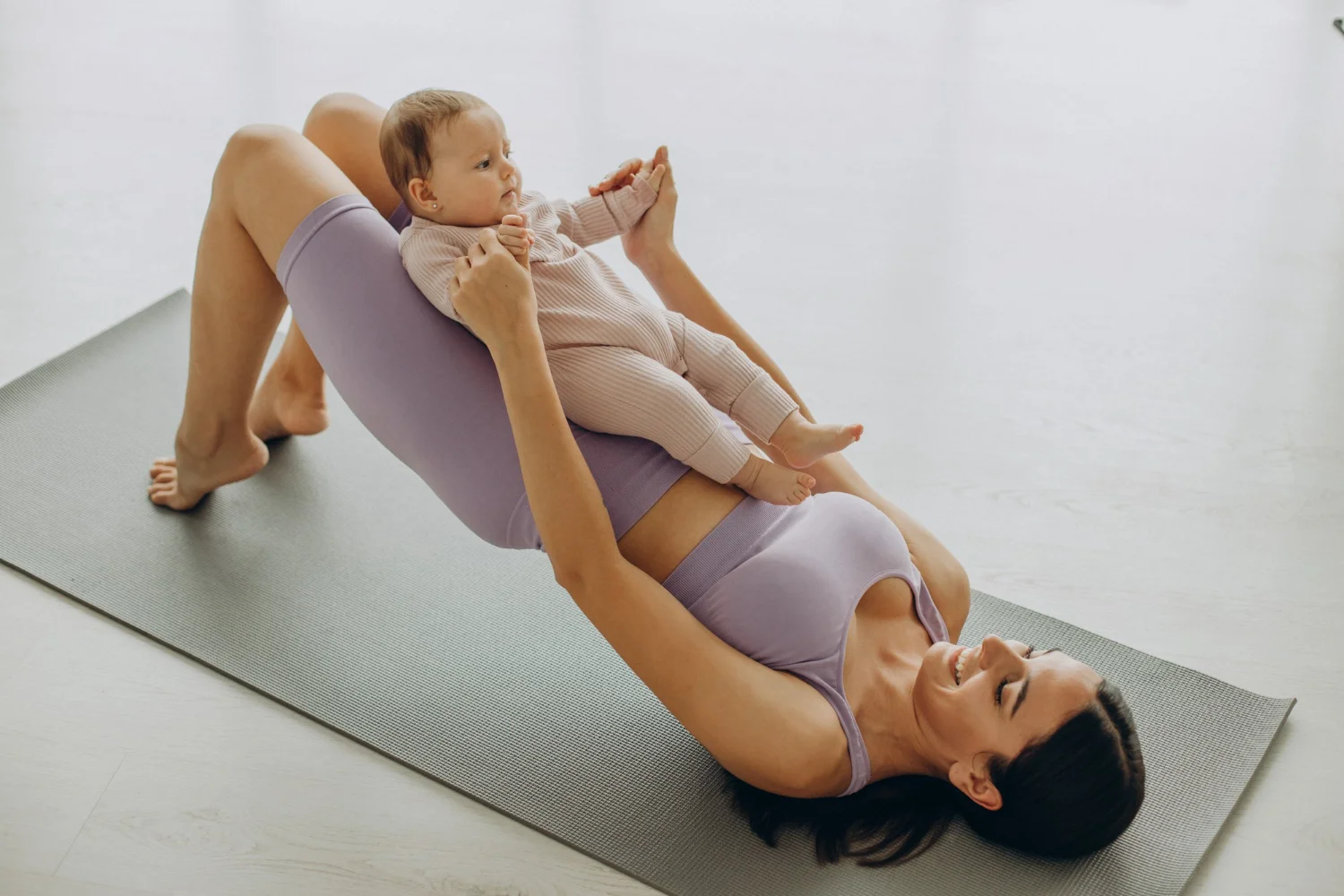
During pregnancy, the connective tissue between your left and right abdominal muscles stretches to make room for your growing baby. For many women that gap does not close back up on its own after delivery, which can leave the core feeling weak, unstable, or disconnected. Targeted, progressive core work retrains the deep abdominal and pelvic floor muscles to work together and close the gap.
Whether you delivered vaginally or by C-section, the pelvic floor carried significant load throughout pregnancy and labor. Weakness here can show up as leaking with a cough, sneeze, or jump, a heavy or dragging feeling, or low back and hip pain. Restoring strength and coordination in these muscles is central to feeling stable again.
Not every postpartum pelvic floor problem is about weakness. For some, the pelvic floor muscles become tight or guarded after labor, which can cause pain with sitting, intercourse, or using the bathroom. Hands-on release work and breathing retraining help these muscles relax and function normally again.
Whether from a C-section incision or perineal tearing during vaginal delivery, scar tissue can restrict movement in the abdominal wall and pelvic floor long after the wound has healed. Scar mobilization helps the surrounding tissue glide and stretch again instead of pulling and limiting movement.
Leaking urine when you laugh, cough, sneeze, or exercise is common after childbirth, but common does not mean it has to be permanent. Incontinence usually points to a pelvic floor that is not coordinating load correctly. Retraining these muscles resolves leaking for most women without surgery.
Getting back to running, lifting, or your regular workouts after having a baby often brings pain or leaking that was not there before. This usually means your core and pelvic floor are not yet ready for that load. A gradual, guided return builds the strength and control needed to get back to the activities you love.
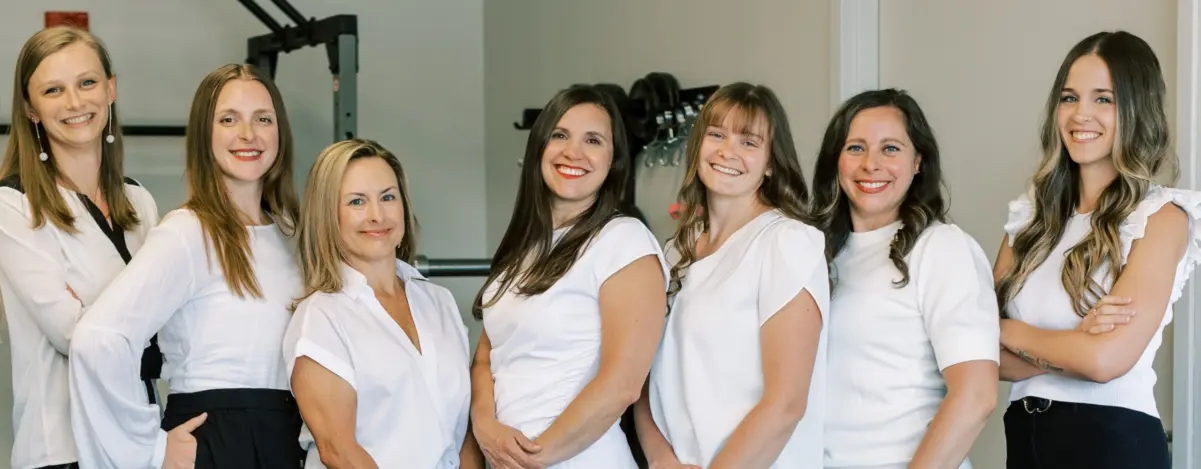
How physical therapy in Central Indiana helps you recover postpartum.
You have probably been told to give it time. Time alone does not close a diastasis recti or retrain a pelvic floor. We start with a full evaluation of your core, pelvic floor, and any scar tissue from delivery to find exactly what is driving your symptoms. From there, hands-on techniques release restricted tissue and restore mobility in the abdominal wall and pelvic floor. Then we rebuild strength and coordination in those same muscles, progressing you toward the things that matter, whether that is picking up your baby without pain or getting back to running. The goal is not just less pain. It is a body that feels capable and connected again.
What to expect from your recovery.
Assessment
Your first visit. We check how your core and pelvic floor are functioning, test for diastasis recti, assess any scar tissue from a C-section or perineal tearing, and talk through your symptoms and goals so we solve the right problem. We find what is actually driving your pain or leaking, not just where it shows up.
Release and mobility
Hands-on techniques release scar tissue and tight, guarded muscles in the abdominal wall and pelvic floor. We restore the mobility that pregnancy and delivery took away, so your body moves without pain or guarding.
Strength and control
We rebuild strength and coordination in your deep core and pelvic floor, progressing you step by step back toward lifting, exercise, and running. The goal: a core that holds up through everyday life with a newborn, and whatever activity you want back.
After experiencing pain for several months postpartum, I'm now able to enjoy my life pain-free, I've gotten back to running, and have become so much stronger with their help. They really listen to their patients, and I felt so comfortable with them during what can be such a vulnerable time.
Pain rarely travels alone.
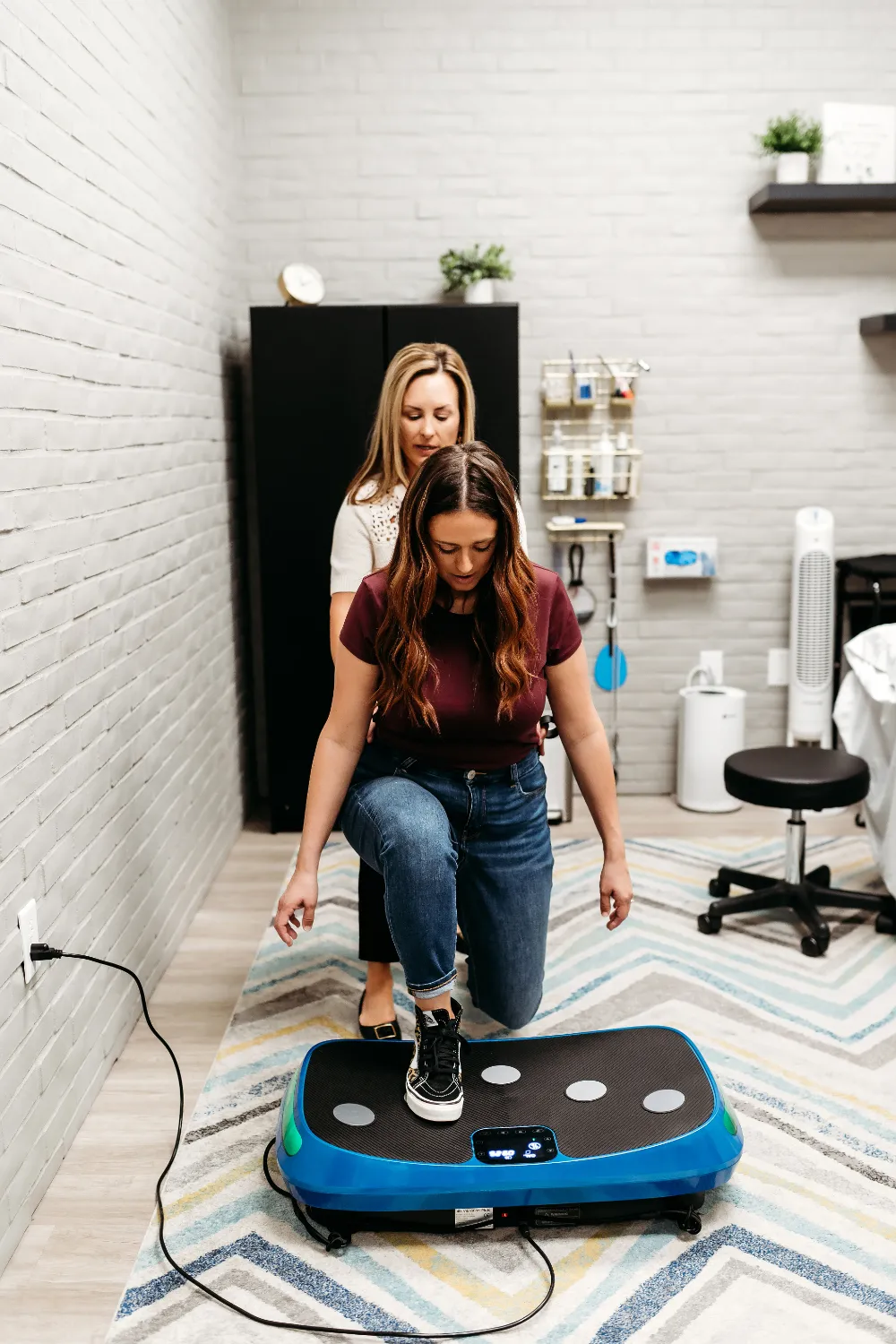

Diastasis Recti
Ab separation after pregnancy does not always close on its own. Targeted core work closes the gap and rebuilds strength.
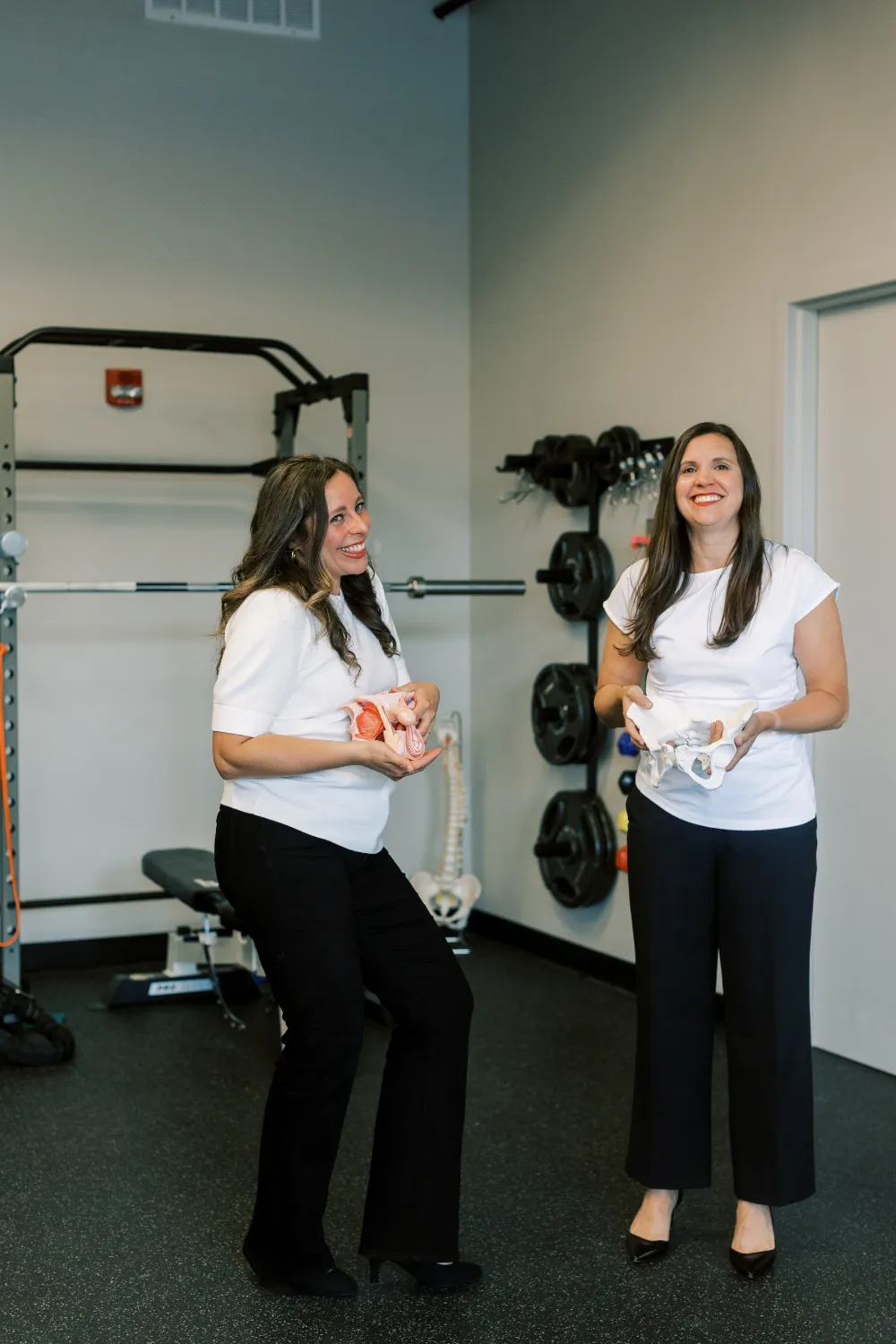
Prenatal Pelvic Health
Pregnancy puts new demands on your core and pelvic floor well before delivery. Prenatal care helps your body prepare.
Pelvic Organ Prolapse
A heavy or dragging feeling after childbirth can be a sign of prolapse. Pelvic floor therapy is a proven first step.