Pelvic Organ Prolapse Treatment in Central Indiana
The heaviness. The pressure that builds as the day wears on. The fear that something is shifting and you don't know how far. That sensation is real, and you don't have to carry it alone. Physical therapy is often the first, most effective step, well before surgery is ever on the table. One evaluation tells you exactly what's happening and what to do about it.
What causes pelvic organ prolapse?
That falling, heavy feeling is not in your head. Pelvic organ prolapse happens when the muscles, ligaments, and connective tissue that support your bladder, uterus, or rectum lose some of their ability to hold those organs in place. It rarely happens all at once. It builds gradually, from childbirth, from chronic pressure, from tissue changes over time. Knowing exactly what weakened your support system is the first step toward rebuilding it.
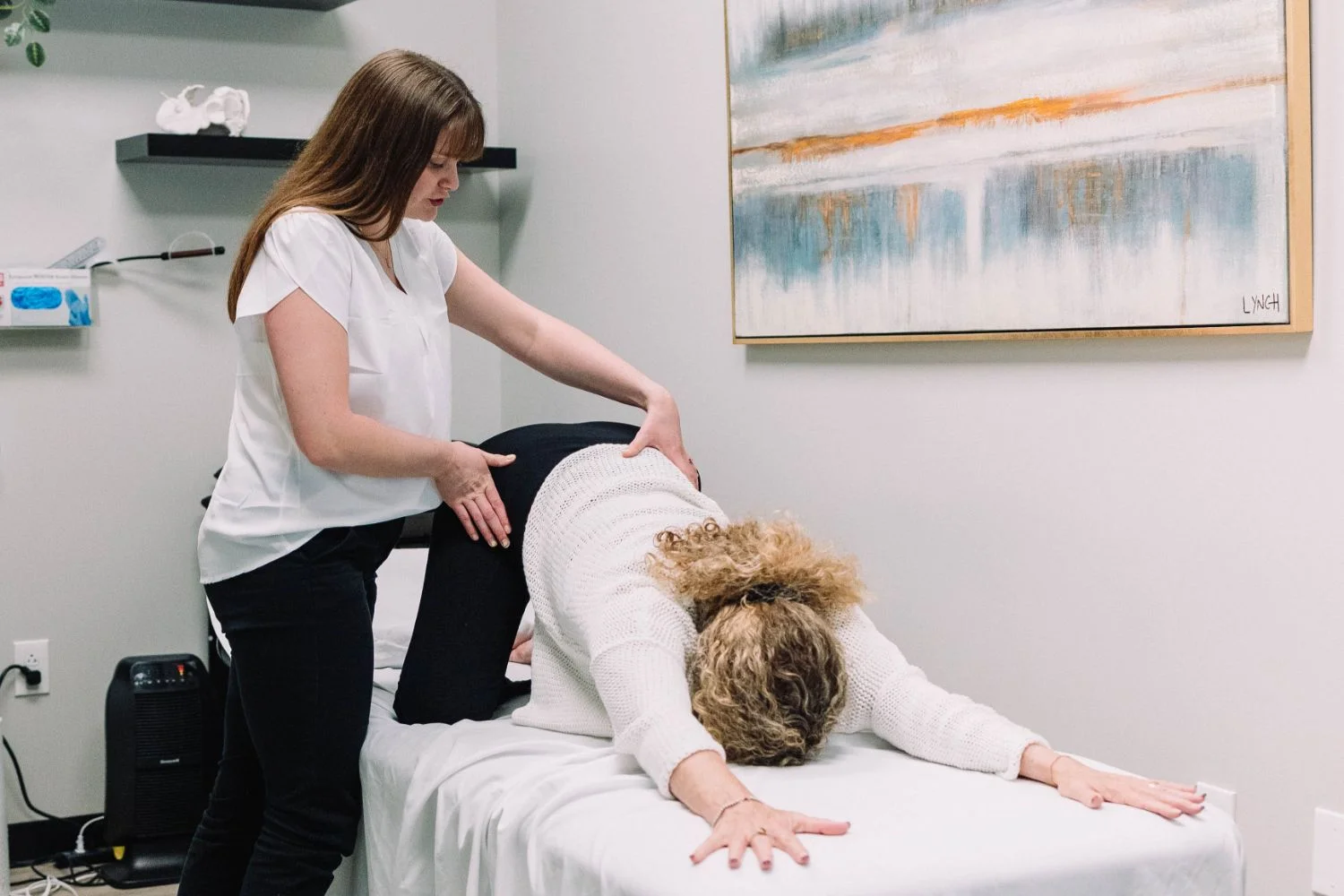
Vaginal delivery stretches and can strain the pelvic floor muscles and the connective tissue that supports the bladder, uterus, and rectum. This is more likely with multiple deliveries, a longer pushing stage, or a larger baby. The tissue does not always recover on its own after birth, which is why a heavy or "falling" sensation can show up months or years later, not just right after delivery.
Straining repeatedly, whether from ongoing constipation, a chronic cough, or habitually holding your breath while lifting, pushes downward pressure onto the pelvic floor every single time it happens. Over months and years, that repeated load can wear down the support structures that hold pelvic organs in place.
As estrogen declines around menopause, pelvic tissue can lose some of the elasticity and thickness that helped keep it strong. Support that held steady for years can start to give a little more, which is why prolapse symptoms sometimes become noticeable later in life even without a new injury.
Repeated heavy lifting, whether at work, in the gym, or carrying kids, increases the pressure inside your abdomen that the pelvic floor has to absorb. Without the strength and coordination to manage that pressure well, the downward force is transferred onto the same tissues that support your pelvic organs.
Some people are simply more prone to prolapse because of how their connective tissue is built. Genetics play a role in how well ligaments and fascia hold up under everyday pressure, which is part of why two people with similar histories can have very different experiences.
A hysterectomy or other pelvic surgery changes the support structure inside the pelvis. Removing or altering one part of that system can shift how much load the remaining tissue has to carry, which can contribute to prolapse of a different organ later on.
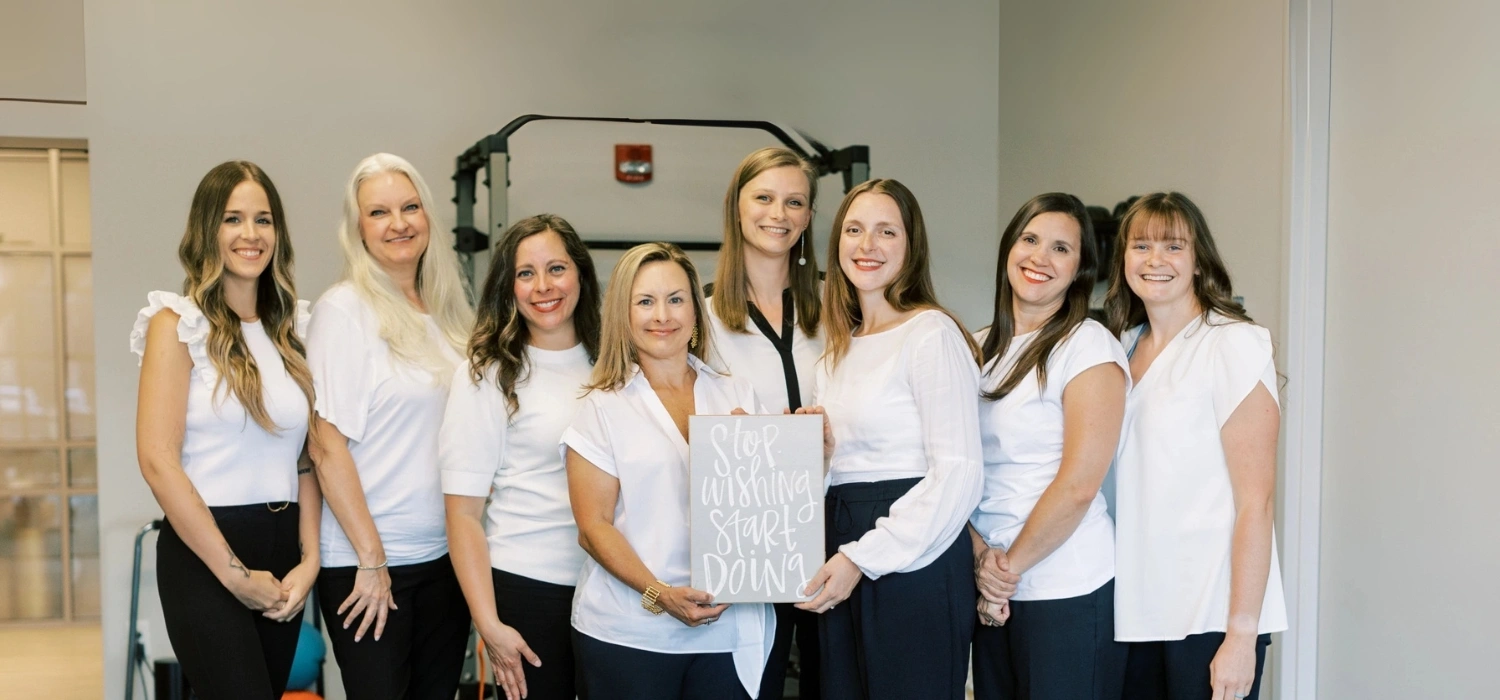
How physical therapy in Central Indiana helps.
Surgery is not the only option, and it's often not the first one. Physical therapy works to restore the strength, coordination, and support your pelvic floor needs to hold everything where it belongs. We start with a thorough evaluation of how your pelvic floor is functioning: strength, coordination, and how you manage everyday pressure like lifting, coughing, or exercise. From there, we use hands-on techniques to address tension and restriction, then build a targeted strengthening program for your pelvic floor and the muscles that support it. We also teach you how to lift, breathe, and move in ways that reduce the downward pressure that aggravates prolapse symptoms. The goal is not just less heaviness in the moment. It's a pelvic floor that supports you through the activities you actually want to keep doing.
What to expect from your recovery.
Evaluation
We test how your pelvic floor responds to real, everyday pressure: coughing, lifting, standing for long stretches. You leave knowing exactly what's happening with your support system, and exactly what we're doing about it.
Hands-on care and pelvic floor retraining
We use manual therapy to release tension and restriction, then retrain your pelvic floor with exercises done correctly, which matters more than doing more of them. Every session builds the coordination it needs to hold up under load.
Strength and pressure management
As control improves, we build real strength and teach you how to lift, breathe, and move so daily life stops overloading your pelvic floor. These are the strategies that keep the heaviness from coming back.
Had a wonderful experience for treatment for an organ prolapse after having my 5th child. Highly recommend Dr. Hannah and staff for gentle and effective treatment.
Symptoms rarely travel alone.

Bladder & Bowel Dysfunction
Prolapse and bladder or bowel symptoms often show up together. We treat the whole pelvic floor system, not just one symptom.
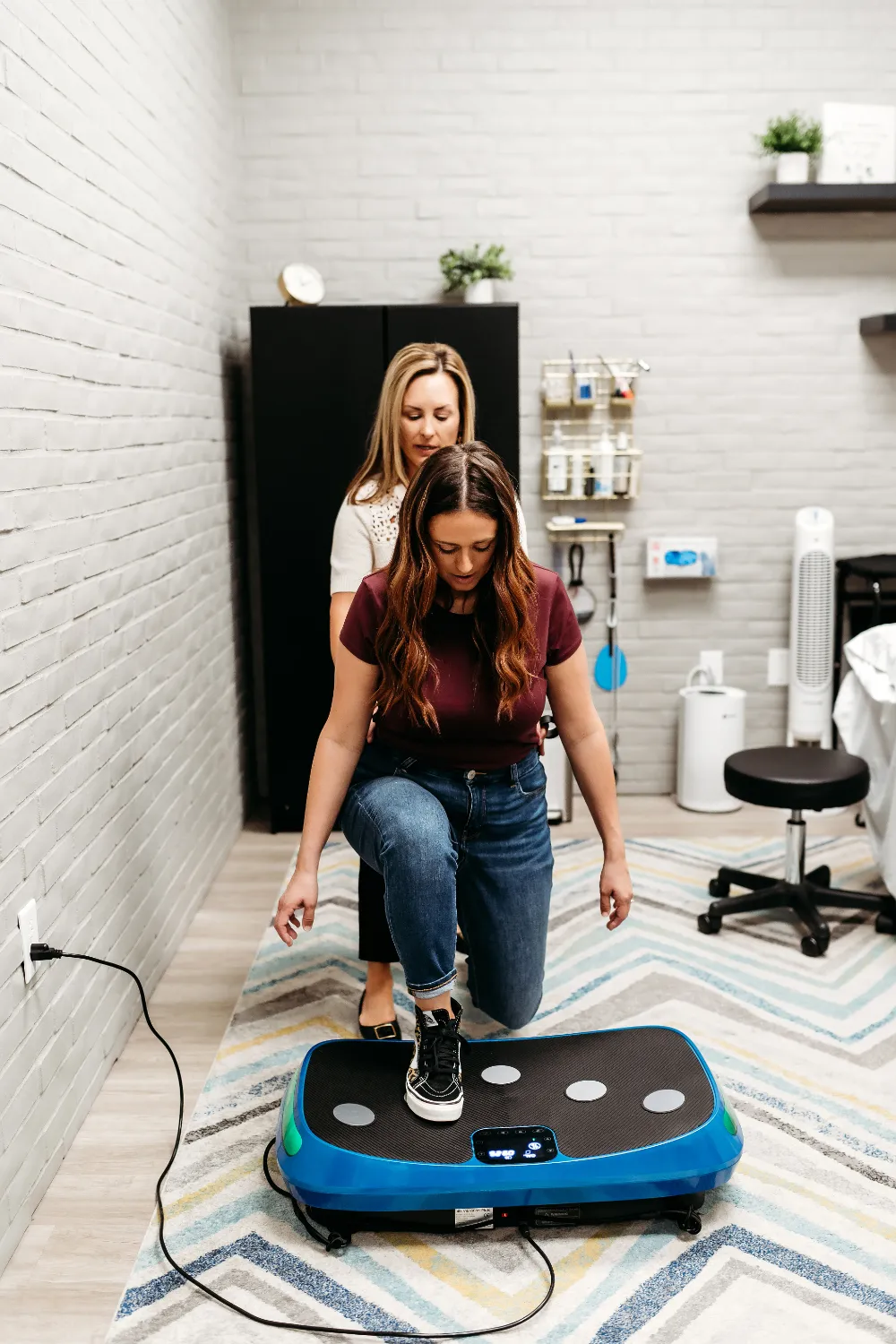
Postpartum Recovery
Vaginal childbirth is one of the most common contributors to prolapse. Postpartum-specific care helps you rebuild support from day one.
Pelvic Pain
Heaviness and pain in the pelvis can overlap and feed off each other. We help sort out what's actually going on and treat it.